
 ACCOUNT

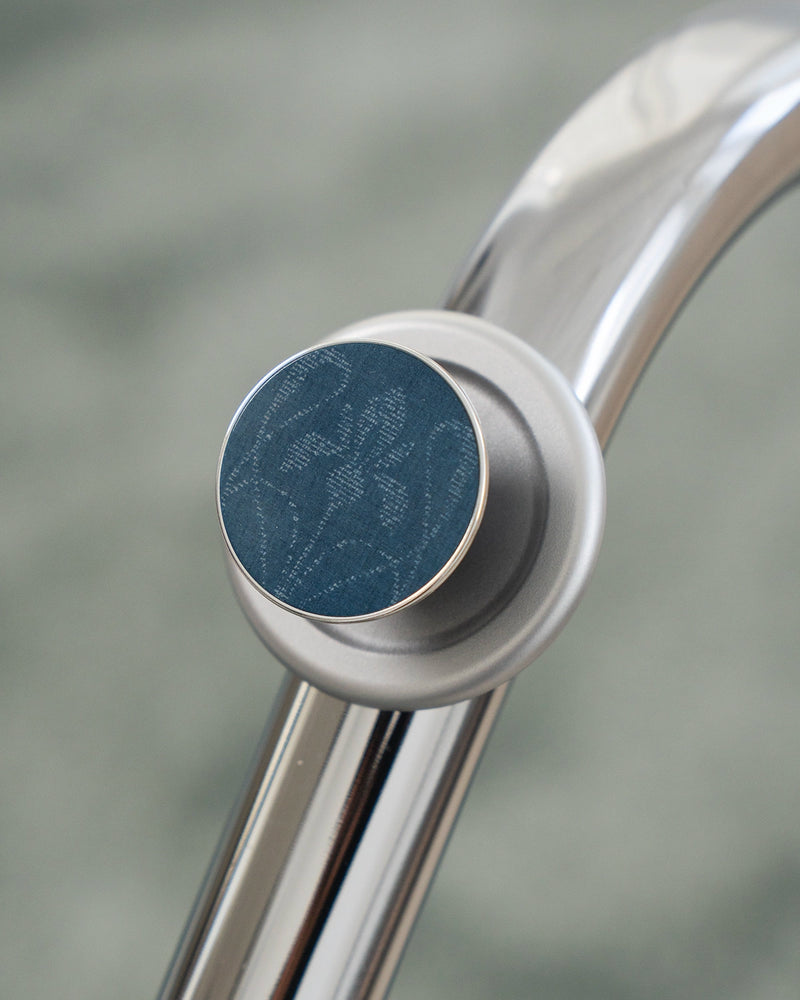
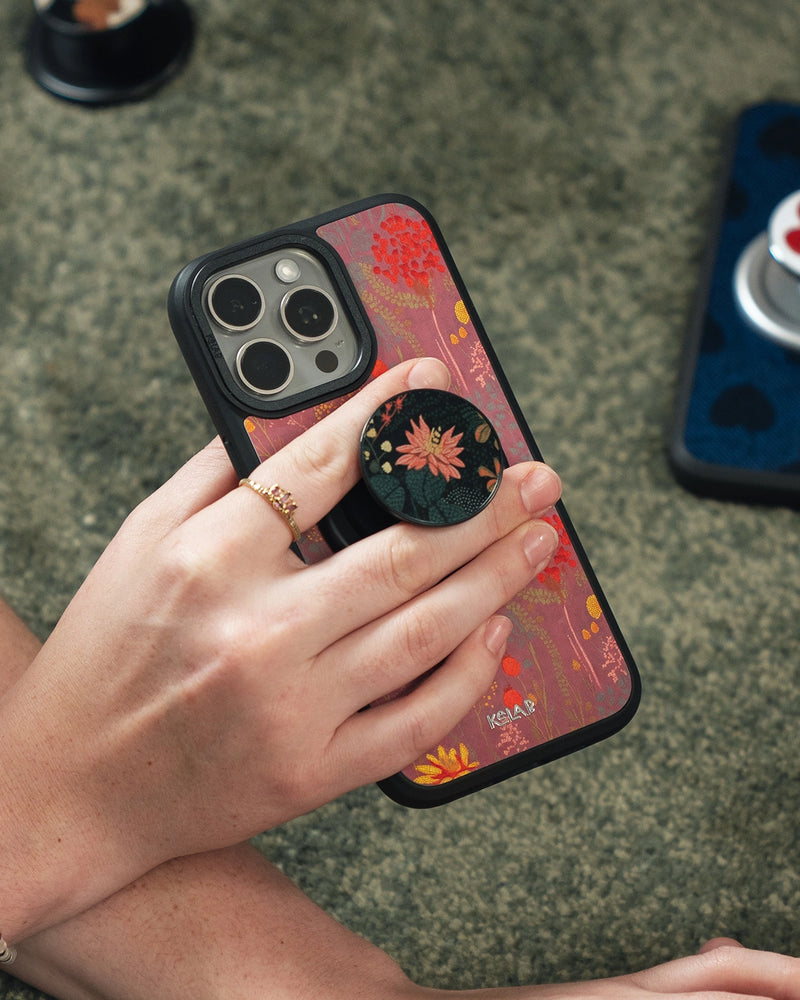
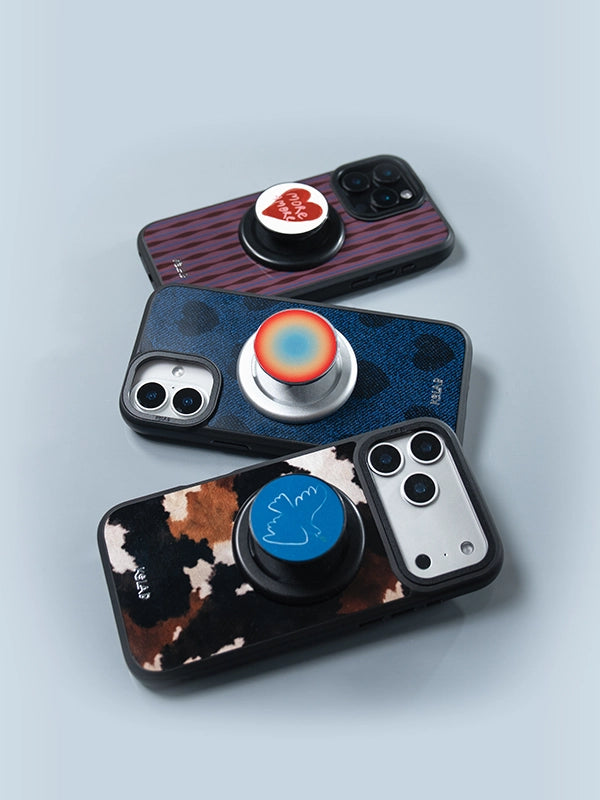
If you've been looking at CASETiFY cases and hesitating at checkout, you're not alone. The brand has built one of the most recognizable names in phone accessories, but at $60 to $80 per case, a lot of people are stepping back and asking a reasonable question: what exactly am I paying for here?
The honest answer: mostly brand. And depending on what you're actually looking for in a case, that may or may not matter to you.
This isn't a takedown of CASETiFY. It's a clear-eyed look at what they do well, where the price premium comes from, and what to look for if you want a case that delivers the same design intentionality without the celebrity endorsement markup.
What CASETiFY Is Actually Selling
CASETiFY built its business on three things: collaborations, customization, and cultural visibility. They've partnered with everyone from BTS to Dua Lipa. Their cases are photographed constantly on the phones of people whose feeds you follow. The brand has genuine cultural cachet, and that's not nothing.
But when you strip away the IP collabs and the influencer machine, what you're getting is a UV-printed polycarbonate case with a TPU bumper, the same construction you'll find at a quarter of the price from a dozen other brands. The protection ratings are real, but they're also matched or exceeded by cases costing $25 to $35.
That's not a criticism. It's just useful context. You're paying for access to a particular design ecosystem, and for a lot of people, that's a legitimate trade. The question is whether it's your trade.
When CASETiFY Makes Sense (And When It Doesn't)
CASETiFY is the right call if you want a custom case with your own photo or text on it, or if there's a specific collab you actually love: the Pokemon collection, the Van Gogh series, something genuinely tied to a thing you care about. That's the product they're best at: personalized, culturally specific, and made to be noticed.
It starts making less sense when you're buying their standard designs for the brand association alone. If the case you're considering is a solid color, a simple pattern, or something you'd describe as clean and minimal, you're almost certainly paying $40 more than you need to for the same visual result.
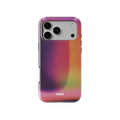
It also starts making less sense if design intentionality matters more to you than design visibility. CASETiFY's aesthetic is loud in a specific way: high saturation, bold graphics, recognizable from across the room. That's a deliberate creative choice, and it's a good one for a large audience. But it's not the only choice.


What to Actually Look For in a CASETiFY Alternative
If you've decided the brand premium isn't worth it for what you want, here's what separates a well-made case from a cheap substitute:
Print quality and longevity. The most common failure mode in printed cases is color shift over time: greens going yellow, blacks going grey, prints that look different six months in than they did on arrival. Look for cases where the print is embedded or in-molded rather than surface-applied. A surface print on a clear case will wear; an embedded print on an opaque shell holds significantly longer.
MagSafe magnet grade. Not all MagSafe-compatible cases are equal. Cases with N52 neodymium magnets, the strongest grade used in consumer accessories, will hold your wallet, mount, and charger securely. Weaker magnet arrays mean accessories that slip, misalign, or charge at reduced efficiency. Worth asking about explicitly before you buy.
Bezel precision. A case that barely clears the camera module or covers a speaker grille is a daily frustration. Precision cutouts for your specific model, not a generic fit across three generations, matter more than they sound. Look for 1.2mm raised bezels around both the screen and camera island as a baseline.
Design language, not just design variety. CASETiFY has hundreds of designs. That's a feature and a liability: when everything is available, nothing is particularly considered. A smaller brand with a tighter, more intentional design vocabulary will often produce something that feels more like a choice and less like a catalog.
CASETiFY vs. KELAB: The Actual Comparison
| Factor | CASETiFY | KELAB |
|---|---|---|
| Price range | $55 to $95 | From $38 |
| Drop protection | 6 to 10ft (varies by model) | 10ft, MIL-STD-810G (Bold series) |
| MagSafe magnets | Yes (strength varies) | N52 grade, all models |
| Print method | UV printing on shell | Embedded, non-surface |
| Design range | Hundreds (collab-heavy) | Tight, curated collections |
| Customization | Yes (photo/text) | No |
| Design language | Bold, maximalist, IP-driven | Quiet, editorial, intentional |
| iPhone 13 to 18 | Yes | Yes |
Who This Is For. Who It Isn't.
KELAB is the right call if: you want a case that looks like a considered choice rather than a brand statement. If you dress in a way that's more about texture, proportion, and color than logos. If you'd describe your aesthetic as quiet, editorial, or intentional. If you want MagSafe done properly, drop protection that covers daily life, and a design you'll still like in 18 months. All from $38, with built-in MagSafe on every case.
CASETiFY is still the right call if: you want to customize a case with your own image or text, or there's a specific licensed collab that genuinely represents something you care about. That's a legitimate reason to pay the premium, and no alternative covers it.
Neither is right if: you're looking for extreme rugged protection. For that, OtterBox Defender is the honest answer regardless of aesthetics.
Other Cases Like CASETiFY Worth Knowing
CASETiFY isn't the only alternative worth considering, and the right one depends on what you're optimizing for. Here's where the popular options land:
OtterBox and Spigen are the call when raw protection comes first. OtterBox in particular is built for genuine ruggedness, at the cost of bulk and a utilitarian look. If you routinely drop your phone on hard surfaces, start there.
Smartish and ESR compete on price. You can find a competent, minimal case in the $10 to $25 range, often with usable MagSafe support. The trade is expression: these are functional rather than designed.
Velvet Caviar and Casely sit closest to CASETiFY's own energy, trend-forward and fashion-driven, with glitter, bold prints, and seasonal drops. If that playful, statement-making look is what you want and CASETiFY simply feels overpriced, these are the natural comparison.
SaharaCase occupies the protective mid-range, widely available and reasonably priced, with a more mainstream design language.
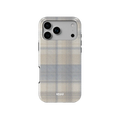
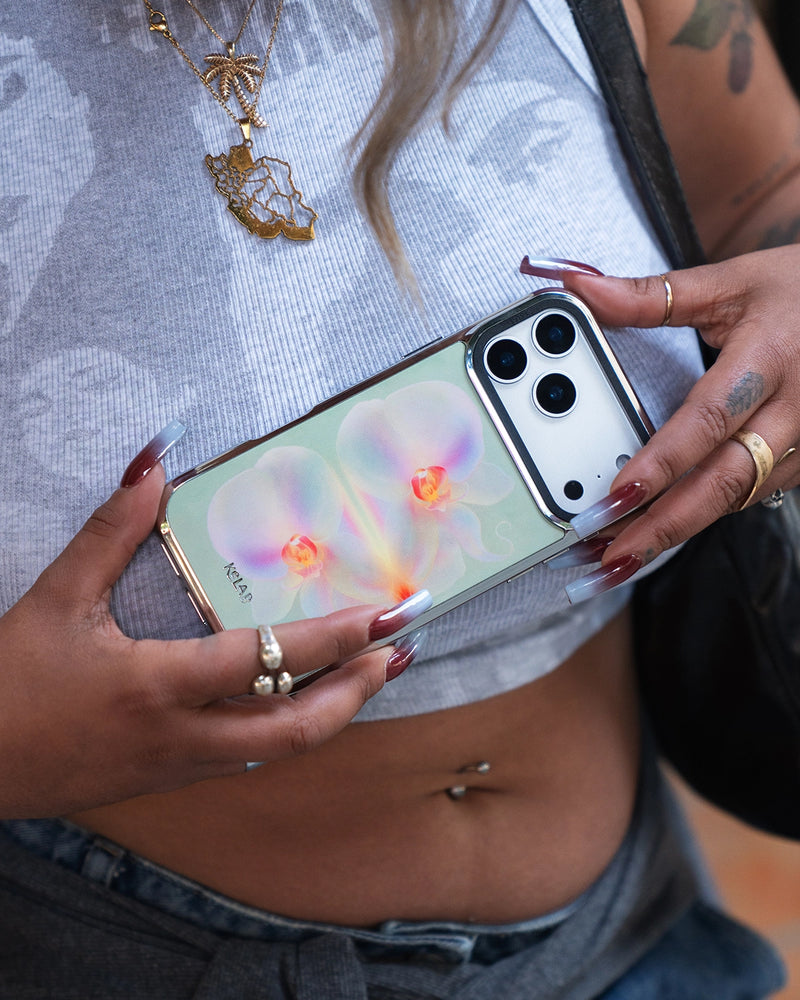
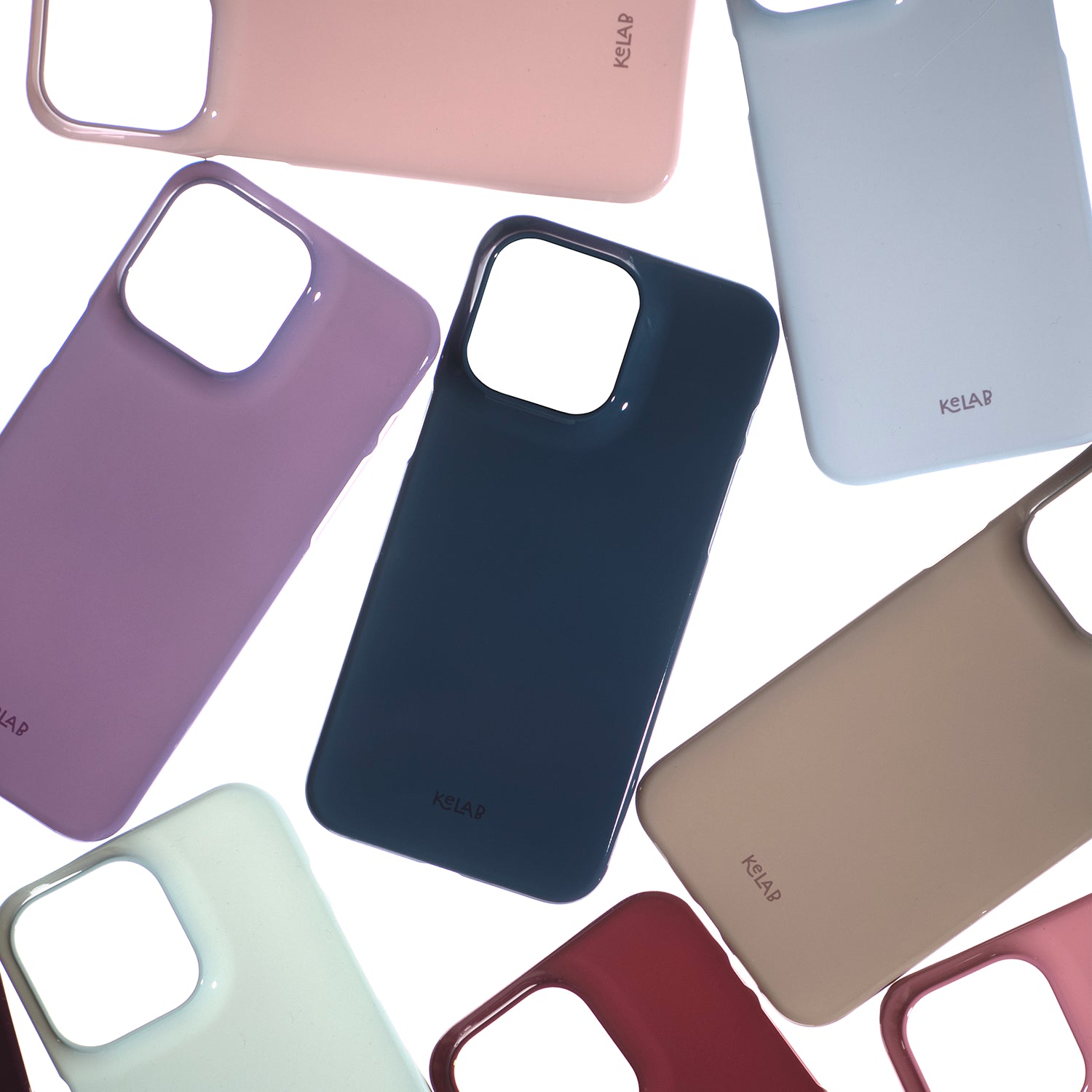
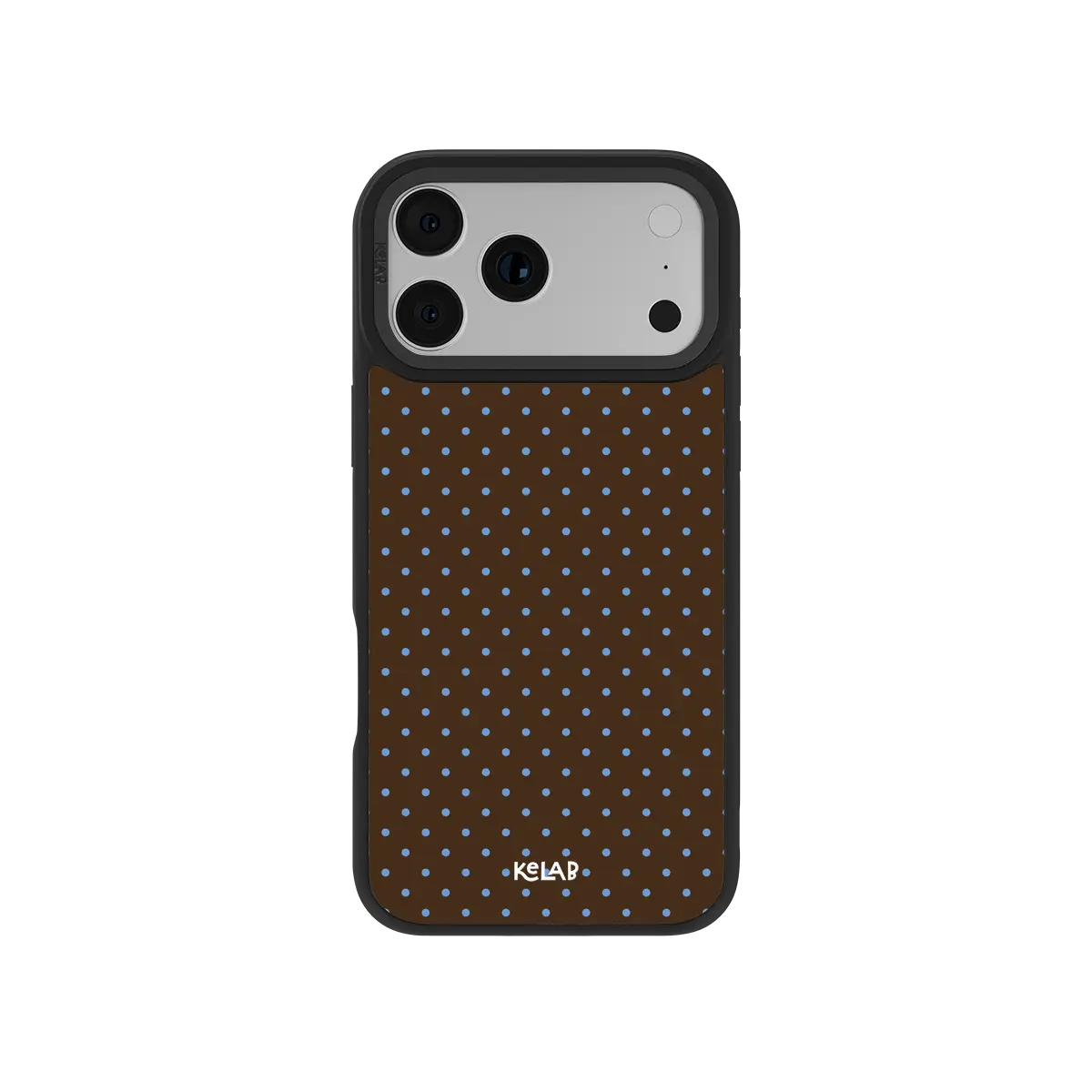
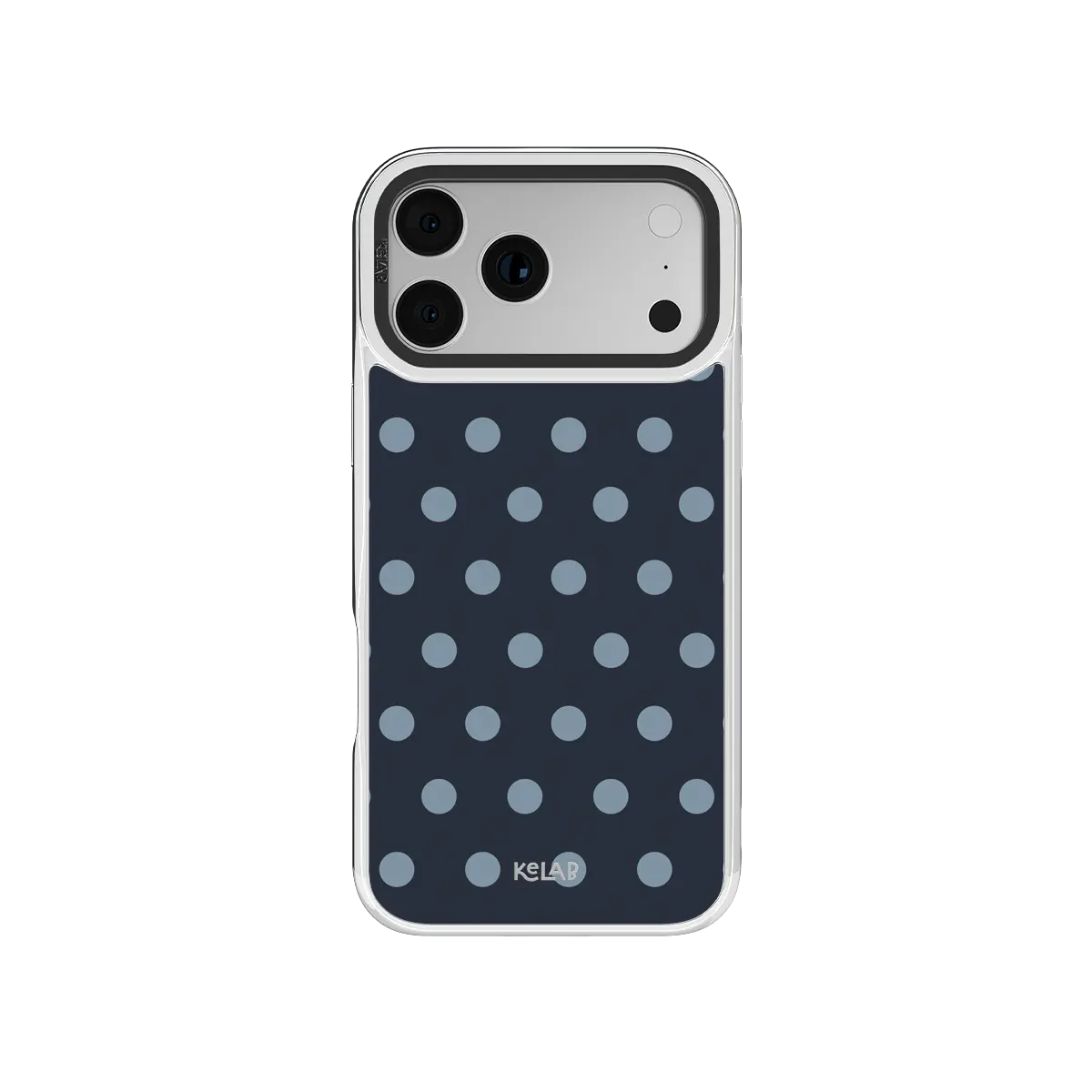
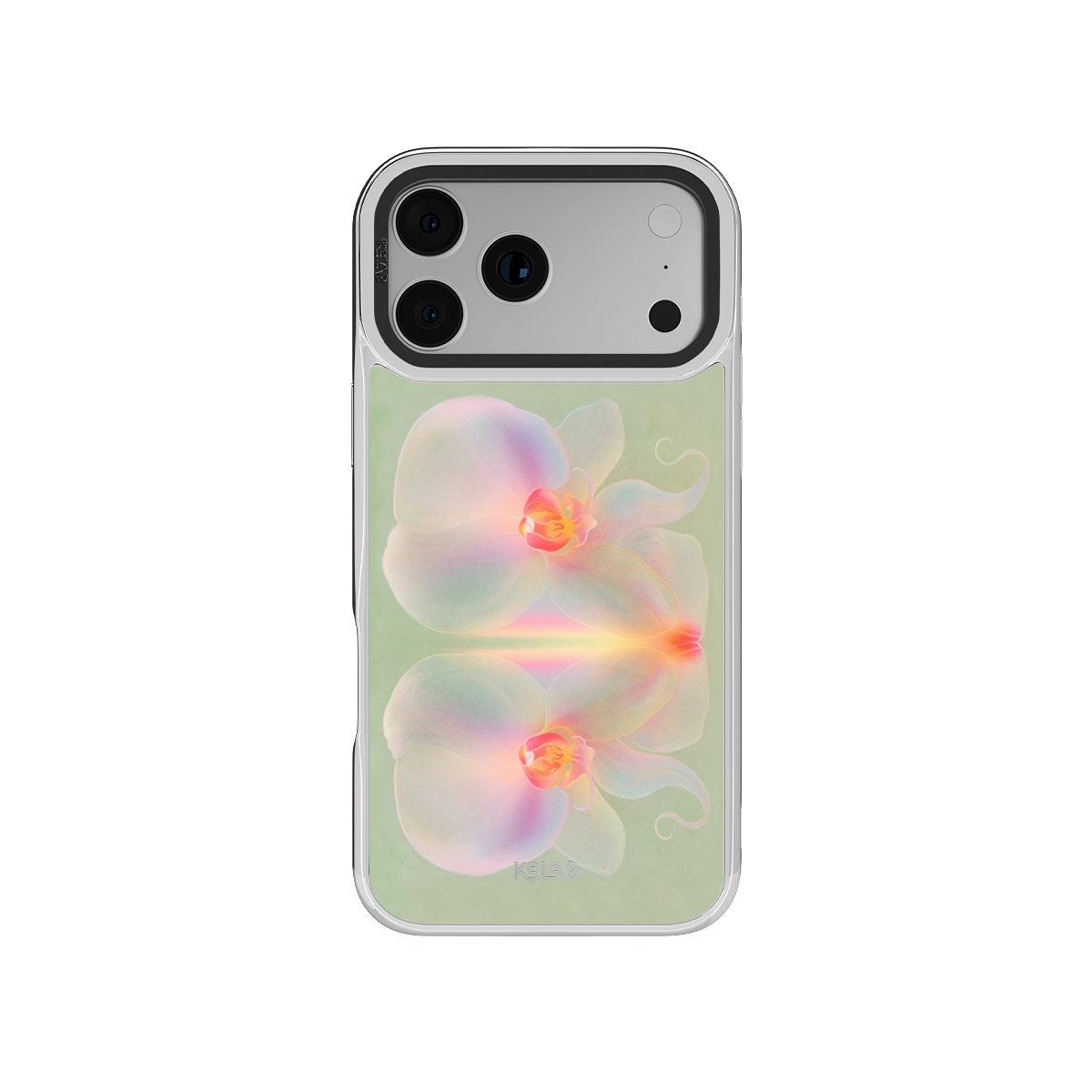
KELAB is the pick when none of those quite fit, because what you actually want is restraint. Where most alternatives are either loud or purely functional, KELAB is built around quiet, editorial patterns, embedded prints that resist wear, N52 MagSafe magnets, and 10ft drop protection on the Bold line, from $38. It's the CASETiFY alternative for people who want a case that reads as considered rather than shouted.
Shop KELAB Cases
View All Collections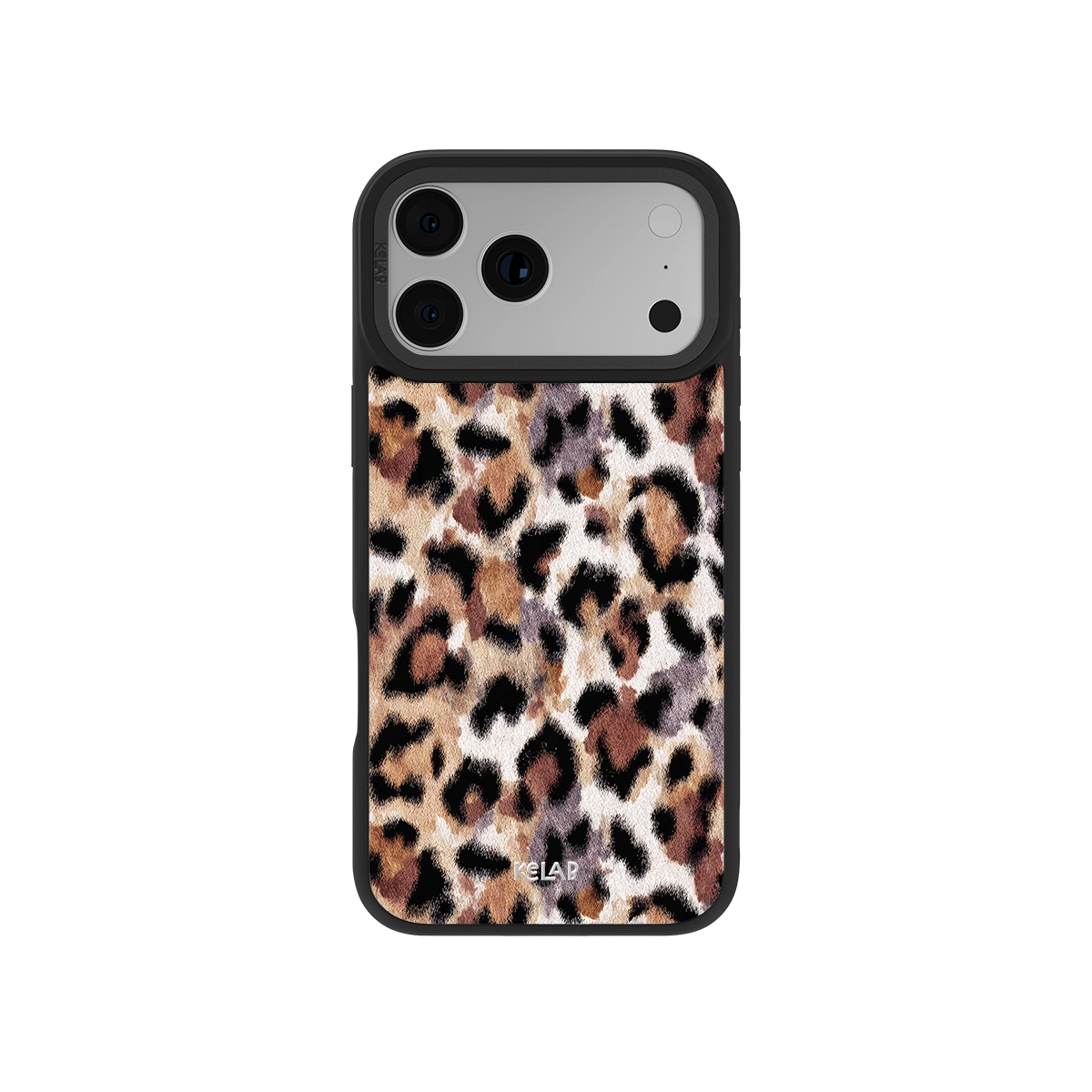
Frequently Asked Questions
Is CASETiFY actually better quality than cheaper alternatives?
Not in a measurable way. CASETiFY uses UV-printed polycarbonate with a TPU bumper, the same construction found in cases at a third of the price. Drop tests show their protection ratings are real but matched by brands like Spigen at $25. You're paying primarily for design access and brand association, not superior materials.
What is the best CASETiFY alternative for a slim, aesthetic case?
Look for a brand with an intentional, curated design vocabulary rather than a large catalog. Key specs: embedded print (not surface-applied), N52 MagSafe magnets, 1.2mm raised bezels, and drop protection up to 10ft, MIL-STD-810G certified on the Bold line. KELAB hits these from $38, compared to CASETiFY's $60 to $80 range.
Are there cases like CASETiFY but cheaper?
Yes, and plenty. Budget brands like Smartish and ESR run $10 to $25 for functional cases, while design-led alternatives like KELAB start at $38, roughly half of CASETiFY's $60 to $80. The thing to watch when you go cheaper is where the savings come from: surface-applied prints that wear, weak or missing MagSafe magnets, and generic cutouts. A good alternative cuts the brand premium, not the build.
Do CASETiFY alternative cases work with MagSafe?
Yes, provided they use a proper magnet array. Look specifically for N52 neodymium magnets, the strongest grade used in consumer cases, which ensure full compatibility with MagSafe chargers, wallets, car mounts, and grips. Not all cases labeled MagSafe compatible use N52 grade magnets, so it's worth confirming before you buy.
Are there CASETiFY alternatives that support iPhone 17?
Yes. Most established case brands, including KELAB, cover iPhone 13 to 18 across all Pro, Pro Max, Plus, and Air variants with model-specific cutouts.
Is there a CASETiFY alternative for Samsung Galaxy?
Yes. A lot of aesthetic case brands are iPhone-first, but KELAB runs the same designs across Samsung Galaxy, currently the S25 and S26 series, with the same embedded prints and model-specific cutouts, from $38. So if you're on a Galaxy and want a designed case rather than a generic one, you're not limited to iPhone-only labels.
Why is CASETiFY so expensive?
CASETiFY's pricing reflects its marketing investment more than its materials. Celebrity partnerships, a global influencer program, and an extensive IP licensing operation all add cost that gets passed to the consumer. The core product, a printed polycarbonate case with drop protection, is not materially different from what mid-range brands produce at half the price.
Stand out, quietly. The case is the detail that makes everything else more deliberate.


